Mexico's cuisine is one of the most celebrated on earth — and one of the most structurally complex for allergic travelers. The invisible risk is not in what the dish is called. It is in what the dish is cooked in. Manteca de cerdo — rendered pork fat — is the structural cooking medium of the Mexican kitchen: the fat in which frijoles refritos are made, the binder in tamale masa, the toasting fat in arroz rojo. It does not appear on menus. Kitchen staff do not think of it as an allergen. There is no restaurant allergen disclosure law. Your Spanish-language card must name manteca de cerdo specifically.
🌮 Food & Culture
Mexican cuisine is not fast food, and it never was. It is one of only two culinary traditions on earth recognized by UNESCO as an Intangible Cultural Heritage — a living expression of pre-Columbian ingredient knowledge, colonial-era fusion, and regional identity built over 3,000 years.3 A mole negro from Oaxaca may contain 30 or more ingredients and require days to prepare. A tortilla from a market stall is made from masa that has been nixtamalized — processed with mineral lime in a technique developed by the Aztecs — using methods unchanged for centuries. Mexico rewards the prepared traveler completely. Understanding what the food is made of before you arrive is how you spend your energy on the experience rather than on anxiety.
Core Safety Metrics — hover each for full explanation
Overall Allergy Travel Difficulty
5/10
Moderate — CDMX and resort zones navigable; fondas and markets require vigilance
Mexico scores 5 because the allergy risk is venue-dependent in a way that matters. CDMX's internationally-oriented restaurant scene and Guadalajara's fine-dining corridor have genuine allergy protocols. Below that tier — fondas, market comedores, street carts — manteca de cerdo is the invisible constant. It is in the frijoles, in the arroz, in the masa, and in the doughs, and no one names it because no one thinks of it as an ingredient to declare.
Allergen Labeling Law Strength
3/10
Weak — NOM-051 covers packaged food; zero restaurant mandate
Mexico's NOM-051-SCFI/SSA1-2010 (amended 2020) requires allergen declaration on packaged foods — 10 mandatory allergens including cereales con gluten, crustáceos, huevo, pescado, cacahuate, soya, leche, nueces de árbol, moluscos, and sulfitos.1 Restaurant and informal dining allergen disclosure is entirely voluntary. Compliance at market stalls, street carts, and comedores is effectively zero.
Kitchen Allergen Awareness
3/10
Low outside CDMX fine dining — manteca not understood as an allergen risk
In CDMX's internationally-oriented restaurants, kitchen allergen awareness has improved in step with the city's rise as a global dining destination. Below that tier — which represents the overwhelming majority of dining in Mexico — the core problem is categorical: manteca de cerdo is not registered as a possible allergen by the vast majority of Mexican cooks. It is the cooking fat. It is not an ingredient in the way chicken or tomato is an ingredient. Communicating about it requires naming it explicitly.
Cultural Modification Flexibility
5/10
Moderate — CDMX fine dining can accommodate; fondas and market venues cannot
Mexico City's better restaurants can often modify dishes with advance notice or at the time of ordering. Fondas, comedores, and market stalls work from pre-made bases — the frijoles are already cooked in lard, the rice is already prepared, and the sauce for the main dish was made before service began. There is no per-order modification path at most informal Mexican dining venues. The mitigation strategy is avoidance of specific dishes, not modification of them.
Emergency Medical Reliability
5/10
Variable — CDMX and Guadalajara have private hospital capacity; rural access limited
CDMX's private hospital network (ABC Medical Center, Hospital Ángeles) provides anaphylaxis-capable emergency care on par with North American standards for travelers with adequate travel health insurance. Guadalajara and Monterrey have comparable private infrastructure. Resort zones (Los Cabos, Cancún, Puerto Vallarta) have hospitals oriented toward international travelers. Outside these corridors, emergency medical access in rural Oaxaca, Yucatán, and Chiapas is significantly constrained.
Difficulty in context — how Mexico compares globally5 / 10 Moderate
🇩🇰 Denmark 2🇦🇺 Australia 3🇲🇽 Mexico 5🇯🇵 Japan 7🇮🇳 India 9
🎯
On the Ground
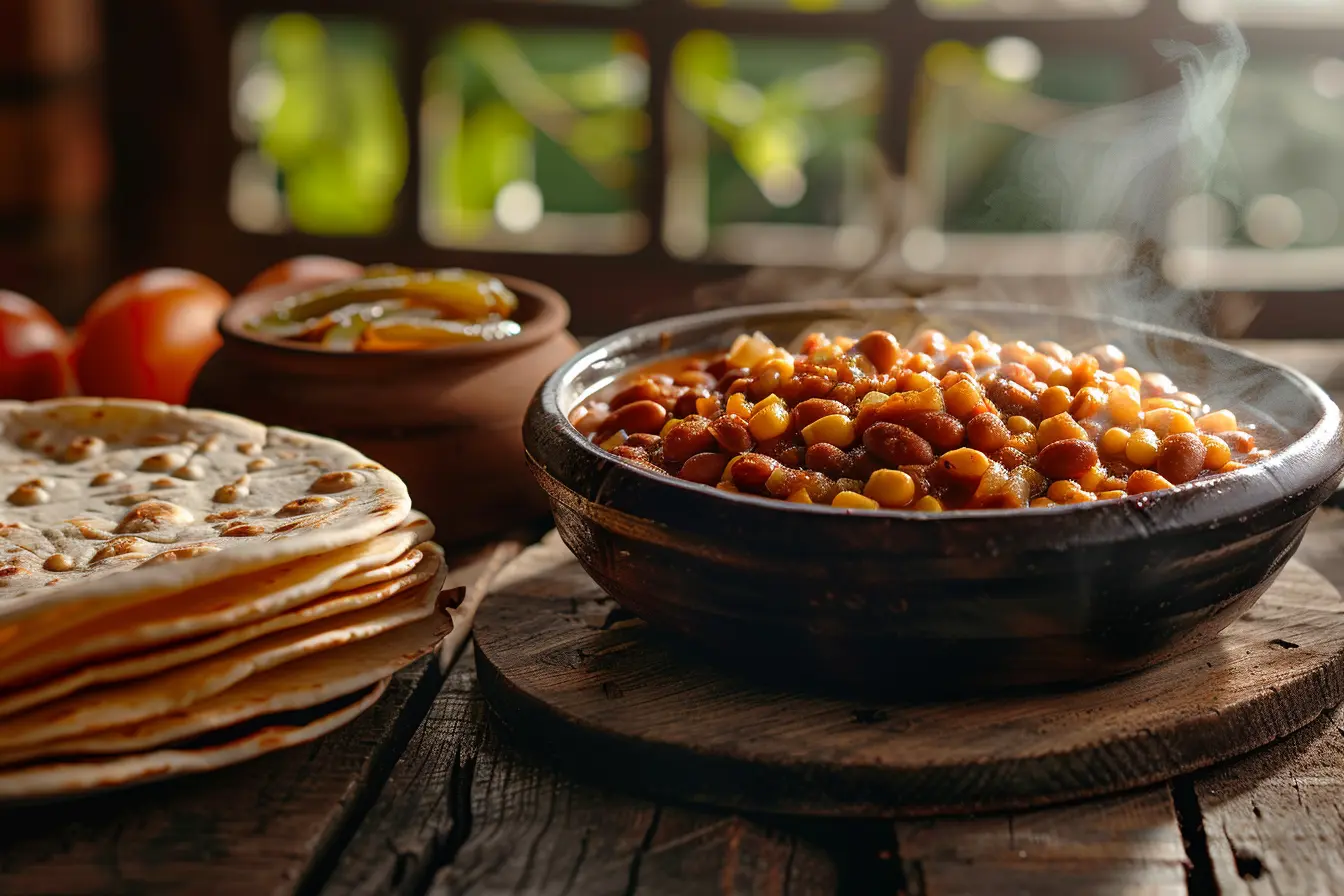
CDMX's Pujol is on every list of the world's best restaurants, and its kitchen will work with you on your allergy. That is not Mexico's allergy story. Mexico's allergy story is frijoles refritos at breakfast that look vegetarian — and were cooked in lard. It is arroz rojo that was toasted in the same fat. It is tamales at a market stall made from masa that has never known anything but manteca. Name manteca de cerdo on your card. Ask at every fonda: ¿Los frijoles se hacen con manteca? At the tourist restaurant, you will usually be heard. At the comedor, you will redirect your order. Both outcomes keep you safe.
Your allergy card must be in Spanish — and must name manteca de cerdo specifically.
Generate your card in SpanishGenerate card in Spanish → Create now with manteca de cerdo, cacahuate, and pepitas named by local term. Phone, wallet, and letter formats with audio.
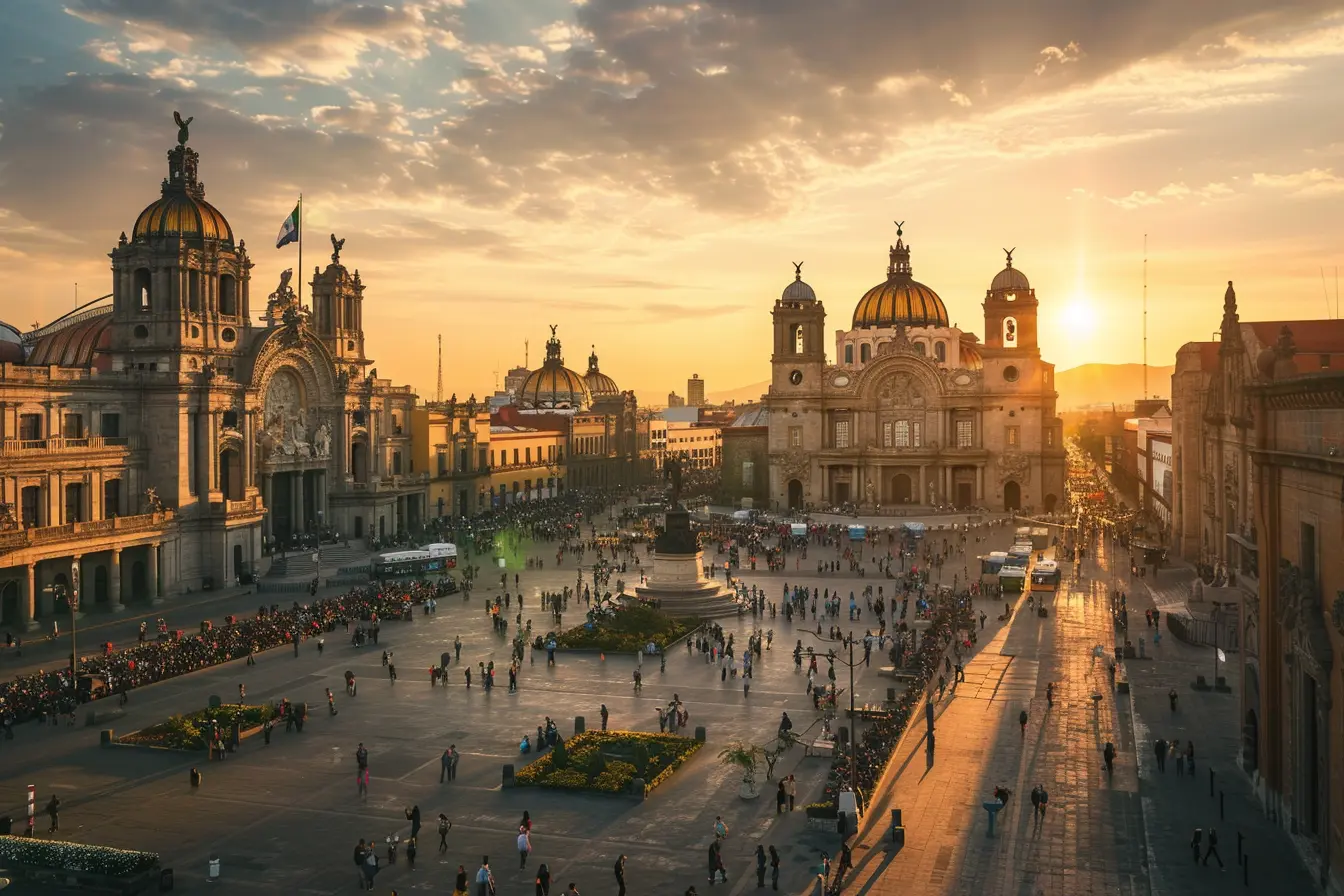
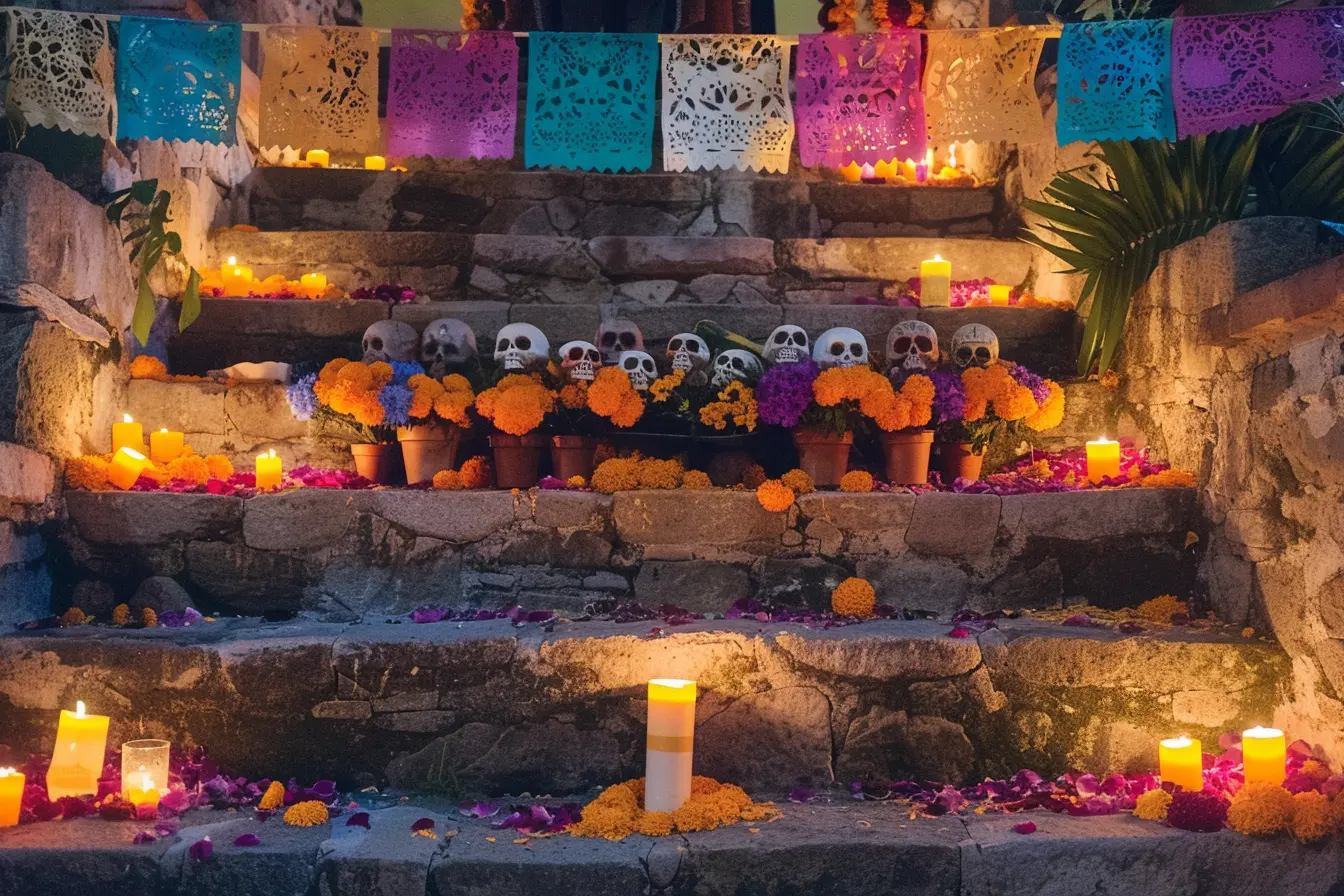
🏛️ Teotihuacán — tap to see the full picture🫘 Frijoles refritos — tap to understand the risk🌸 Día de Muertos — the ofrenda foods that matter
Allergen Intelligence
Allergen Prevalence Index
Mexico's allergen risk concentrates in two invisible vectors: the cooking fat (manteca de cerdo in beans, rice, and masa) and the sauce base (mole, pipián, salsa macha containing peanuts or seeds). Many dishes that appear simple or vegetarian contain one or both. Clinical prevalence data is lower than in high-income countries — do not interpret this as low personal risk.4
⚠ The vegetariano problem: In Mexico, a dish labeled vegetariano or without visible meat may still be cooked in manteca de cerdo. Frijoles refritos, arroz rojo, and masa-based preparations at most traditional venues are made with pork lard regardless of the absence of visible meat. Always ask specifically: ¿Este plato se cocina con manteca de cerdo?
Trigo / Harina de trigoWheat — flour tortillas standard in northern Mexico
6
4
5
5
Local variants — terms your card must name:manteca de cerdo (pork lard) · cacahuate (peanut — not "maní") · pepitas (pumpkin seeds) · ajonjolí (sesame — not "sésamo") · camarón seco (dried shrimp in salsas) · achiote (annatto seed paste, Yucatán).
Using the Mexican Spanish term, not the English category name, is the only approach that reliably registers with a Mexican kitchen.
Dish Intelligence
Dish Allergen Map
Mexico's dish-level allergen risk concentrates in two places: the invisible cooking fat (manteca de cerdo in beans, rice, and masa) and the sauce base (mole, pipián, salsa macha containing peanuts or seeds). Many dishes that appear simple or vegetarian contain one or both. The safe path for pork-allergic travelers at a fonda is not to find a dish without manteca — it is to choose dishes where the base ingredient is cleanly confirmable.
Safest ordering anchors: Plain corn tortillas from a dedicated tortillería (not a fonda masa) · Grilled meats a la plancha with no sauce · Fresh salsas of tomato and chile (not cooked mole) · Plain arroz blanco confirmed without manteca. Ask: ¿El arroz se prepara con manteca o con aceite vegetal?
Dish
Allergens
Hidden risk notes
Risk
Frijoles RefritosRefried beans
MANTECA DE CERDOLEGUMES
STRUCTURAL — Manteca de cerdo is the cooking fat; it cannot be removed. The dish looks vegetarian; at a traditional fonda it almost certainly is not. INCIDENTAL — Some modern restaurants use aceite vegetal; confirm. Ask: ¿Estos frijoles se hacen con manteca de cerdo o con aceite?
● HIGH
TamalesSteamed masa parcels
MANTECA (masa)CORN (masa)
STRUCTURAL ×2 — Manteca de cerdo is worked into the masa dough; corn masa is the dish. Both non-removable. INCIDENTAL — Filling varies (pork, chicken, rajas, sweet). Ask: ¿La masa de este tamal lleva manteca de cerdo?
● HIGH
Arroz RojoMexican red rice
MANTECA (toasting fat)GARLIC & ONION
STRUCTURAL — Rice is traditionally toasted in hot lard before simmering; garlic and onion in the aderezo base. INCIDENTAL — Some restaurants now use aceite vegetal; confirm explicitly. Ask: ¿El arroz se prepara con manteca o con aceite?
● MODERATE
Mole NegroOaxaca's complex dark sauce
CACAHUATEPEPITAS / AJONJOLÍCHILE SECO
STRUCTURAL ×4+ — Cacahuate, dried chiles, ajonjolí (sesame), and Mexican chocolate (which may contain almonds) are all load-bearing. No mitigation path. CROSS-CONTACT — Mole is made in large batches; all dishes from that kitchen share the pot. Off-limits for peanut, sesame, or tree nut allergy.
● HIGH
Tacos de CanastaCDMX basket tacos
MANTECA (masa + steam)CORN (tortilla)
STRUCTURAL — Masa often contains manteca; tacos are steamed warm in lard. Fillings (frijoles, chicharrón) also contain pork. Pre-made; no per-order modification possible at canasta carts.
● HIGH
Pozole RojoHominy corn soup with pork
CORN (hominy)PORKCHILE SECO
STRUCTURAL ×3 — Hominy corn is the dish. Pork (usually head or shoulder) is structural to the broth. Dried chiles form the red base. INCIDENTAL — Pozole verde uses tomatillo and pepita base — higher seed complexity; confirm variety before ordering.
● HIGH
Enchiladas VerdesTortillas in tomatillo-pepita sauce
STRUCTURAL — Pepitas are the base of salsa verde/pipián verde. Tortillas often softened in manteca at a fonda. INCIDENTAL — Crema and queso can be requested without. Ask: ¿La salsa verde lleva pepitas? ¿Las tortillas se pasan por manteca?
● HIGH
Cochinita PibilYucatecan slow-roasted pork
PORKACHIOTE (annatto)HABANERO CHILE
STRUCTURAL — Pork is the dish. Achiote (annatto seed paste) is the marinade base; cannot be removed. INCIDENTAL — Habanero salsa and cebolla curtida are separate; can be declined. One of Mexico's more transparent dishes when pork is not your allergen.
● MODERATE
AguachileRaw shrimp in chile-lime — Pacific coast
SHELLFISH (raw shrimp)CHILE SERRANO
STRUCTURAL — Raw shrimp defines the dish; cannot be removed. Chile serrano structural in marinade. CROSS-CONTACT — Shared leche de coco/lime marinade at marisquerías routinely crosses between fish and shellfish preparations. Primarily Pacific coast (Sinaloa, Nayarit, Jalisco).
● HIGH
Chiles en NogadaStuffed chile with walnut cream — Puebla seasonal
STRUCTURAL ×4 — Nogada sauce is walnut, cream, and fresh goat cheese. Egg batter encases the chile. Wheat flour in batter. Picadillo filling contains multiple meats and fruits. Off-limits for tree nut, dairy, or egg allergy. Seasonal Puebla dish (August–September).
● HIGH
Tacos de CarnitasSlow-braised pork tacos — Michoacán
PORKCORN (tortilla)
STRUCTURAL — Carnitas is pork braised in its own fat and sometimes additional manteca. Corn tortilla structural. INCIDENTAL — Salsa verde, cebolla cruda, cilantro are table toppings; can be refused. For travelers without pork allergy, carnitas is one of Mexico's simpler allergen profiles.
● HIGH (pork allergy)
Sopa de LimaYucatecan lime chicken soup
GARLIC & ONION
INCIDENTAL-FORWARD — One of Mexico's cleaner broths: chicken, Yucatecan lima dulce, tomato, sweet chile. INCIDENTAL — Totopos at service; request sin totopos. CONFIRM — Ask about broth fat: ¿El caldo lleva manteca de cerdo? Safe option if confirmed.
● LOW
Carne AsadaGrilled beef — northern Mexico
WHEAT (flour tortilla — north default)GARLIC & ONION (marinade)
INCIDENTAL-FORWARD — The beef is the cleanest component. In northern Mexico, always specify tortilla de maíz — flour is the default. INCIDENTAL — Some Baja preparations include soy sauce in marinade; ask. SAFER PATH — Plain grilled beef with corn tortilla and fresh salsa is one of Mexico's safest allergen profiles.
● LOW
Regional Intelligence
Regional Allergen Risk Map
Mexico's regional allergen variance is high, driven by distinct cuisine traditions. The manteca de cerdo problem is nationwide, but peanut and seed exposure in sauces concentrates in central and southern Mexico. Northern Mexico has higher wheat exposure. Coastal regions have highest shellfish exposure.
Loading map…
Tap a region for allergen detail · tap again to build your card
🏙️ CDMX & Central Highlands MODERATE
Strongest allergy-awareness infrastructure. CDMX fine dining has protocols; fondas cook with manteca by default. Mole, pipián, and enchilada sauces central to the cuisine. Excellent private hospital access.
↑ Manteca de cerdo · Cacahuate in mole · Pepitas in pipián
🌶️ Oaxaca & Southern Mexico HIGH
Seven moles — negro contains cacahuate, ajonjolí, and chocolate. Tlayudas made with manteca. Lowest kitchen allergen awareness in Mexico. Traditional recipes do not accommodate substitution.
↑ Cacahuate in mole · Pepitas in mole verde · Ajonjolí · Manteca de cerdo
🌴 Yucatán Peninsula MODERATE
Achiote (annatto) defines Yucatecan cuisine — distinct from the chile-and-mole traditions of central Mexico. Less peanut-forward. Resort zones of Cancún and Riviera Maya have strong international dining infrastructure.
↑ Achiote (annatto seed) · Habanero chile · Shellfish in coastal areas
🥩 Northern Mexico LOWER
Beef-dominant, flour tortilla-based cuisine. Mole far less prevalent. Always specify tortilla de maíz — flour tortillas are often the default in the north. Baja California has hybrid international-Mexican cuisine.
↑ Wheat (flour tortillas standard) · Manteca de cerdo in frijoles
⚓ Gulf Coast & Puebla HIGH
Puebla is the home of mole poblano — structurally similar to mole negro with peanuts, dried chiles, and chocolate. Veracruz has seafood-heavy preparations. Chiles en nogada (seasonal): walnut cream, egg batter, wheat flour.
↑ Cacahuate in mole poblano · Tree nuts in chiles en nogada · Shellfish
🌊 Pacific Coast MODERATE
Seafood-heavy: aguachile, ceviche de camarón, and taco de camarón are defining preparations. Shellfish cross-contact at marisquerías routine. Guadalajara has a strong fine-dining scene comparable to CDMX.
↑ Shellfish · Fish cross-contact · Manteca de cerdo in tacos and fondas
Where to Eat
Venue Safety Profile
Mexico's venue landscape separates clearly at the fine-dining tier in CDMX, Guadalajara, and resort zones. Above that line, kitchen allergy protocols exist and the conversation is possible. Below it — which is most of the country — the manteca conversation has not been part of the cooking tradition. The correct intervention is to ask before sitting and redirect if unsure, not to attempt to modify a dish that was prepared four hours ago.
⚠ "Vegetariano" does not mean manteca-free. A dish labeled vegetariano or without meat may still be cooked in manteca de cerdo. Frijoles refritos, arroz rojo, and masa-based preparations at most traditional venues are made with pork lard regardless of the absence of visible meat. Always ask specifically about manteca — never assume a meatless dish is safe for pork-allergic travelers.
Supermarkets as safe fallback: Walmart México, Chedraui, and Soriana carry packaged foods subject to NOM-051 allergen labeling. The labeling quality is variable, but the labeling exists — unlike at fondas and street stalls. For travelers in a difficult venue situation, a supermarket is a reliable fallback. Oxxo (convenience stores) carry packaged snacks, though allergen labeling quality varies by brand.
Higher Risk
Safer
🛒Street carts, antojito vendors, and tacos de canasta trolleys
No ingredient documentation. Everything prepared from bulk pre-made bases. Masa may contain manteca. Frijoles almost certainly do. Cross-contact between pork, corn, and chile is structural to the format. Canasta trolleys keep tacos warm in a basket with manteca — unavoidable exposure.
⚠ Present your card and ask specifically about manteca. Be prepared to eat elsewhere. These are Mexico's most delicious dining experiences — they are also the least modifiable.
HIGH RISK
🍽️Fondas and market comedores (mercado lunch restaurants)
Fixed daily menu (comida corrida) — soup, rice, beans, main, tortillas. Bases are made before service: frijoles cooked in manteca, arroz rojo prepared with manteca, main dish sauce already made. No per-order modification is possible for the base dishes. The most common dining venues in Mexico and the highest-risk environment for pork- and seed-allergic travelers.
⚠ Ask about the cooking fat before sitting. If the frijoles and arroz contain manteca and you cannot eat pork, choose a main dish that does not rely on the pre-made sauce — or eat elsewhere.
Menu-based service with some degree of per-order preparation. Manteca may still be in use for beans and rice, but a direct question to the server — forwarded to the kitchen — is possible and may produce a useful answer. English available at tourist-oriented venues. Sauces and moles are still pre-made in most cases.
Show your card, ask about manteca in frijoles and arroz, and ask about the sauce base for any dish served with mole, pipián, or enchilada sauce. A good kitchen will know the answer.
MODERATE
⭐Fine dining and internationally-oriented restaurants (CDMX, Guadalajara, resort zones)
Mexico City's internationally recognized restaurants and equivalents in Guadalajara, Monterrey, and major resort hotel dining rooms operate with modern kitchen protocols. Allergy communication is possible and usually effective with advance notice. Menu descriptions are more detailed. English-speaking staff are common. Manteca is often replaced with high-quality vegetable or animal fats in modern preparations.
Email ahead. Request confirmation in writing. CDMX's best restaurants are genuinely equipped to accommodate allergies — give them the information they need before you arrive.
LOW RISK
🏨Large hotel restaurants and international chains (Cancún, Los Cabos, Riviera Maya)
Major resort hotel restaurants operate with international hotel allergy protocols and English-speaking staff. Allergen information is more accessible. International chain restaurants generally follow their global allergen communication standards.
Still verify manteca in any traditional Mexican dish on the menu — hotel kitchens serving authentic Mexican food may use traditional fats. Safest: international menu items at these venues.
LOW RISK
Dining Culture
Etiquette & Communication
Mexican dining culture is warm, social, and genuinely hospitality-oriented. Allergy communication is understood, particularly in cities — but the concept of lard as an allergen is unfamiliar to most traditional kitchens. Approach the conversation as informational rather than accusatory, and lead with your card.
🪪
Lead with your card — always
In Mexican restaurant culture, handing your allergy card to a server and asking them to take it to the cook is a normal and respected request. Por favor, llévele esta tarjeta al cocinero (Please take this card to the cook) is the most effective single action you can take. Mexican hospitality culture genuinely wants to help you — the challenge is communicating clearly about manteca, not overcoming resistance.
❓
Ask about manteca directly — every time
In Mexico, frijoles refritos and arroz rojo are almost always on the table before you have ordered. Ask before you eat them: ¿Estos frijoles se hacen con manteca de cerdo? This is not an unusual question at a sit-down restaurant — it is a normal dietary inquiry. At a fonda or comedor, the server may not know; ask them to check with the cook.
💬
Use local ingredient names — not categories
Saying "I'm allergic to pork" will make a kitchen think of chorizo and carnitas — not the cooking fat. The most effective card language names the specific dishes: No puedo comer frijoles refritos, arroz, ni tamales hechos con manteca de cerdo. Naming the dishes where manteca hides is more effective than naming the allergen category alone.
🏪
At markets and fondas — choose your order, not your modification
At a fonda serving a comida corrida, the rice and beans are already made. Modification is not possible. The correct strategy is to choose safe components — grilled meat a la plancha, fresh tortillas from the tortillería next door, fresh salsa — rather than asking a cook to remake dishes that were prepared hours ago. This is not a limitation of Mexican hospitality; it is the nature of the comida corrida format.
🤝
Tipping reflects the service
Mexico operates on a tipping culture similar to the United States. Standard tip is 10–15% at casual restaurants, 15–20% at fine dining. A server who goes out of their way to verify your manteca question with the kitchen deserves acknowledgment — it is genuinely extra work in a busy service environment.
🌮
The tortillería is your friend
A dedicated tortillería — a shop that makes and sells corn tortillas — is often overlooked by allergic travelers. Traditional corn tortillas from a tortillería are made from masa (corn, water, cal) with nothing added. No lard, no preservatives. Buying tortillas directly from a tortillería and pairing them with simply grilled protein gives you a complete, safe meal even in a high-risk market environment.
Languages
Languages Spoken
Spanish is the sole primary safety language for allergy communication in Mexico. English is available at front-of-house level in CDMX's Polanco and Condesa neighborhoods and major resort zones, but does not reach kitchen staff reliably at any venue. In markets, fondas, and comedores — the dining environments where the highest risk exists — Spanish is the only effective communication language.
All of Mexico — the operating language of every commercial kitchen nationwide
The only language that reliably reaches kitchen staff at every venue type in Mexico. Spanish is the language of the cook, the fonda owner, and the market stall vendor. Your card must be in Spanish.
CDMX (Polanco, Condesa, Roma) · Cancún Hotel Zone · Los Cabos · front-of-house only
Second most commonly encountered language in tourist-facing venues. Does not reliably reach kitchen staff at any venue. English reaches the server; Spanish reaches the cook. Do not rely on English in any kitchen environment.
Central Mexico — Estado de México, Puebla, Hidalgo, Veracruz, Morelos, Guerrero
~1.7 million speakers — most widely spoken indigenous language in Mexico. Kitchen staff in central Mexican market comedores may be Nahuatl speakers; a Spanish allergy card remains the correct tool in all commercial food settings.
Yucatán Peninsula — Mérida, Valladolid, rural Yucatán and Campeche
~800,000 speakers. Some market vendors in Mérida and rural Yucatán are more comfortable in Maya than Spanish. Tourist-facing kitchen environments throughout the Yucatán operate in Spanish.
Chiapas — highlands and lowlands around San Cristóbal de las Casas
~560,000 speakers. Dominant indigenous language of highland Chiapas. Travelers in San Cristóbal markets may encounter Tzeltal-speaking vendors. Spanish allergy card is the correct tool throughout.
Oaxaca — Sierra Norte, Sierra Sur, Valles Centrales, Isthmus of Tehuantepec
~450,000 speakers. Core language of Oaxacan market culture. The vendors at Mercado Benito Juárez and Mercado 20 de Noviembre in Oaxaca City are likely Zapotec speakers. Spanish is the operating language of all commercial food exchanges.
~0.4%
Card strategy — Mexican Spanish terms matter: Mexican Spanish uses cacahuate for peanut (not "maní" as in South American Spanish) and ajonjolí for sesame (not "sésamo"). A card produced for Peru will be understood, but local ingredient names improve precision significantly — particularly for cacahuate, manteca de cerdo, and pepitas.
Dialect note: The card should name manteca de cerdo by its full local term — not "manteca," "grasa de puerco," or "no lard." The full term 'manteca de cerdo' is the only phrase a Mexican kitchen will reliably act on. "No pork" will make kitchen staff think of chorizo and carnitas, not the cooking fat.
Communication
Essential Safety Phrases
Mexican Spanish is clear and direct in food contexts. The key phrases name specific ingredients (manteca de cerdo, cacahuate, pepitas) rather than allergen categories. Lead with your card; use these phrases as reinforcement or when your card is not accessible.
Scenario 01
Declaring Your Allergy
ESAll venues
Tengo una alergia alimentaria grave. Por favor llévele esta tarjeta al cocinero.
TEN-go OO-nah ah-LER-hyah ah-lee-men-TAR-yah GRA-veh. Por fah-VOR yeh-VEH-leh ES-tah tar-HEH-tah al ko-see-NEH-roh.
I have a serious food allergy. Please take this card to the cook. — The most important opening phrase at any Mexican venue.
ESSeverity
Esta alergia puede matarme. Es una emergencia médica.
ES-tah ah-LER-hyah PWEH-deh mah-TAR-meh. Es OO-nah eh-mer-HEN-syah MEH-dee-kah.
This allergy can kill me. It is a medical emergency. — Use for severity communication with kitchen staff who appear uncertain.
Scenario 02
Asking About Manteca de Cerdo
ESFrijoles — primary
¿Estos frijoles se hacen con manteca de cerdo o con aceite vegetal?
ES-tohs free-HOH-lehs seh AH-sehn kon man-TEH-kah deh SER-doh oh kon ah-SAY-teh veh-heh-TAL?
Are these beans made with pork lard or vegetable oil? — Ask before eating frijoles refritos at any fonda or market.
ESRice check
¿El arroz se prepara con manteca de cerdo?
el ah-ROHS seh preh-PAR-ah kon man-TEH-kah deh SER-doh?
Is the rice prepared with pork lard? — Ask about arroz rojo at any traditional venue.
ESTamale check
¿La masa de este tamal lleva manteca de cerdo?
lah MAH-sah deh ES-teh tah-MAL YEH-vah man-TEH-kah deh SER-doh?
Does the dough for this tamale contain pork lard? — Ask at any tamal vendor or breakfast fonda.
Scenario 03
Asking About Sauce Ingredients
ESMole / peanut check
¿Este mole o esta salsa lleva cacahuate o pepitas?
Help! I am having a serious allergic reaction. Call 911. — Show this to any person nearby.
ESCarry always
Necesito usar mi inyector de epinefrina ahora. Ayúdenme.
neh-seh-SEE-toh oo-SAR mee een-YEK-tor deh eh-pee-neh-FREE-nah ah-OH-rah. ah-YOO-den-meh.
I need to use my epinephrine auto-injector now. Help me. — Show the EpiPen while saying this. Print and carry in wallet.
Pre-Trip Checklist
Packing & Preparation
Mexico has strong private hospital infrastructure in CDMX, Guadalajara, Monterrey, and resort zones. The primary preparation challenge is not medical access — it is having the right Spanish-language communication tools to navigate a cuisine where the invisible fat problem is nationwide and the allergy conversation is new.
💊 Medical Essentials
✓Two epinephrine auto-injectors — bring two minimum. Resort and rural areas may not carry EpiPen equivalents locally.
✓Doctor's letter confirming allergy and prescriptions — in English with Spanish translation strongly preferred for Mexican customs and emergency medical staff.
✓Keep EpiPens in original packaging with your name on the label through customs.
✓Antihistamines (cetirizine or similar) for mild reactions.
✓Oral corticosteroids if prescribed.
✓Bilingual anaphylaxis action plan — Spanish + English, in case emergency responders have limited English.
🪪 Communication Tools
✓Prepared Travel Spanish allergy card — must name manteca de cerdo specifically, including the dishes where it hides: frijoles refritos, arroz rojo, masa para tamales.
✓Card must use Mexican Spanish ingredient names: cacahuate (not maní), ajonjolí (not sésamo), pepitas.
✓Emergency number: 911 (ambulance, police, fire — unified).
✓Google Translate camera mode downloaded offline for Spanish — supplement, not replacement, for your card.
✓Know the nearest private hospital before you need it: ABC Medical Center (CDMX), Hospital Ángeles (multiple cities), Hospital CostaMed (Cancún).
🧳 Mexico-Specific Habits
✓Ask about manteca before eating any frijoles, arroz, or masa-based preparation — every single time, every venue.
✓At a fonda: ask the manteca question before sitting down. If the beans and rice contain manteca and you cannot eat pork, redirect before ordering.
✓In northern Mexico: always specify tortilla de maíz — flour tortillas are often the default.
✓Fine dining CDMX: email ahead with your allergen list in Spanish. Mexico City's best restaurants will accommodate with notice.
✓Carry a safe snack from Oxxo or a supermarket (Walmart México, Soriana, Chedraui) — packaged foods have NOM-051 labeling.
✓At markets: look for vendors selling simple grilled meats (carne a la plancha) and buy fresh tortillas from dedicated tortillerías.
Contextual Intelligence
Street Food, Markets & Mercados
Mexico's market and street food culture is one of the most extraordinary dining environments on earth — and one of the most challenging for allergic travelers, because the dishes are pre-made, the cooking fats are invisible, and modification is structurally impossible at most venues.
🏪
At a fonda, the sauce was made before you arrived
The comida corrida format — Mexico's midday lunch menu at fondas and market comedores — operates on pre-made bases. The frijoles were cooked this morning in lard. The arroz was prepared before service. The sauce for the guisado was made in a large pot and will be served to everyone at that table today. Asking a fonda cook to remake any of these components to order is not a modification — it is a different meal that cannot be made in a working lunch kitchen. The correct strategy is to identify safe components before sitting down, not to attempt modification after ordering.
🛍️
How to eat at a mercado
Mexico's mercados are navigable for allergic travelers with the right approach. Walk the food section before sitting. Identify the comedor that shows the simplest preparations. Look for a la plancha (grilled to order) protein options. Ask about manteca in the frijoles before ordering. Many mercados have tortillería counters selling plain corn tortillas with nothing added — a reliable, safe carbohydrate anchor. Pair grilled protein with fresh tortillas and a simple fresh salsa (not a cooked mole) for a complete, manageable meal.
Ask before sitting: ¿Los frijoles se hacen con manteca de cerdo? If yes and you cannot eat pork, redirect to dishes that do not rely on the pre-made base.
🌮
Street food risk tiers
Not all street food carries equal risk. Tacos al pastor (marinated pork from a vertical spit) and carne asada tacos have relatively transparent allergen profiles. Tacos de canasta (basket tacos, steamed and kept warm in lard) are high risk — the masa and preparation method involve manteca throughout. Elotes and esquites (corn with condiments) have high dairy cross-contact from crema and queso. Fresh fruit from fruit carts are among the safest street food options.
Safest choices: Tacos al pastor or carne asada (confirm tortilla type) · Grilled protein a la plancha · Fresh fruit from a dedicated fruit cart
🫓
The tortillería is your friend
A dedicated tortillería — a shop that makes and sells corn tortillas — is a resource often overlooked by allergic travelers. Traditional corn tortillas from a tortillería are made from masa (corn, water, cal) with nothing added. No lard, no preservatives. Buying tortillas directly from a tortillería and pairing them with simply grilled protein from a market stall gives you a complete, safe meal even in a high-risk market environment. Look for the tortillería in every mercado — they are almost always present.
Look for the machine press and the fresh tortilla smell. Ask: ¿Estas tortillas llevan manteca? The answer from a traditional tortillería should be no.
⚠️
Mole: the most complex sauce in Mexican cuisine
Mole is not a single sauce. In Oaxaca alone, seven distinct moles are recognized. Each carries a different allergen profile — but mole negro, mole rojo, and mole poblano all typically contain peanuts as a thickening component alongside multiple dried chiles, Mexican chocolate, and (in Oaxacan mole negro) sesame seeds. Mole is prepared in large batches and used across multiple dishes on a menu. For peanut-allergic travelers in Oaxaca or Puebla: identify mole's presence in the kitchen before ordering anything.
Key question before ordering in Oaxaca or Puebla: ¿Esta cocina prepara mole? ¿Los moles llevan cacahuate?
Emergency
Emergency Infrastructure
Mexico's emergency medical system operates on 911 (unified since 2016).5 In CDMX, Guadalajara, Monterrey, and resort zones, private hospital emergency care is anaphylaxis-capable and accessible to travelers with travel health insurance. Outside major cities, response times and specialist availability vary significantly.
911
Mexico unified emergency number — ambulance, police, fire
Call 911 for ambulance service nationwide. Mexico unified emergency services under 911 in 2016, replacing the prior system of separate 060/065/080 numbers. Not all ambulances carry epinephrine — inform the dispatcher immediately that epinephrine may be needed.5,9 At private hospitals in CDMX and major cities, emergency staff are familiar with anaphylaxis treatment. Show your bilingual emergency card on arrival.
Insurance is essential. Private hospital emergency care in Mexico is not covered by national health insurance for foreigners. Without travel health insurance, a private hospital visit can be extremely costly. Confirm your travel insurance covers anaphylaxis treatment and hospital admission before departure. Resort areas and rural zones: confirm nearest hospital location and estimated transport time before arriving at your destination.
ABC Medical Center (Centro Médico ABC)
Calle Sur 136 No. 116, Las Américas, Mexico City
Mexico's primary internationally-oriented private hospital. English-speaking staff. Anaphylaxis-capable emergency. Full critical care. Preferred hospital for foreign travelers in CDMX.6
CDMX · International
Hospital Ángeles Pedregal
Camino a Santa Teresa 1055, Mexico City
Large private network with emergency capability. Multiple CDMX locations. Verify current operational address before publish.
CDMX · Private
Hospital Puerta de Hierro
Av. Patria 1150, Jardines Universidad, Zapopan, Jalisco
Leading private hospital in Guadalajara metro area. Full emergency capability.
Guadalajara · Private
Hospital CostaMed
Av. Nader 13, SM 2, Cancún, Quintana Roo
Primary private hospital serving the Cancún Hotel Zone. English-speaking staff. International traveler-oriented.
Cancún · International
Hospital Country Club
Magdalena 261, Del Valle Centro, Mexico City
Well-regarded private hospital in southern CDMX. Emergency and critical care.
CDMX · Private
Hospital General Regional No. 1 IMSS
Av. Cuauhtémoc 1480, Santa Cruz Atoyac, Mexico City
Public IMSS emergency — accessible without insurance but may have longer wait times. Fallback for travelers without travel insurance coverage.
CDMX · Public (IMSS)
Tourist assistance hotline: Mexico's Ministry of Tourism (SECTUR) operates a tourist assistance hotline at 800-987-8224 (toll-free within Mexico) — available 24 hours, Spanish and English. Useful for non-acute assistance including locating English-speaking medical facilities. For acute anaphylaxis: call 911 immediately.
Medications
Bringing Your EpiPen to Mexico
Yes — you can bring your EpiPen to Mexico. Epinephrine auto-injectors are permitted for personal medical use. Follow the documentation steps below and verify current rules with COFEPRIS before travel.2
✓ You can bring your EpiPen. Epinephrine is not a controlled substance in Mexico. EpiPens and epinephrine auto-injectors are permitted into Mexico for personal medical use under personal-import rules for prescription medications. Mexico's customs regulations for personal prescription medications are relatively permissive. In-country replacement: not reliably available — bring your full supply from home.
01
Carry a doctor's letter on official letterhead confirming your allergy diagnosis, the medical necessity of the epinephrine auto-injector, and the dosage. A Spanish translation is strongly recommended for communication with Mexican customs and emergency medical staff.
02
Keep auto-injectors in their original pharmacy packaging with your name and prescription information on the label. Do not transfer to a generic case for travel.
03
Declare the medication at customs if asked. Produce your doctor's letter and original packaging immediately.
04
Verify current import rules with COFEPRIS (cofepris.gob.mx) or the Mexican embassy in your country before travel. Rules can change and this publication cannot guarantee current regulatory status.2
05
In-country replacement: EpiPen equivalents may be available at large private pharmacies (Farmacias del Ahorro, Farmacias Benavides) in CDMX and major cities — but availability is inconsistent and foreign prescriptions may not be accepted. Bring your full supply from home.
FARE guidance: EpiPen import rules for Mexico are not as well-documented in English-language official sources as rules for the US, Japan, or EU countries.9 Verify with COFEPRIS or your embassy before travel.
Regulatory
Allergen Labeling Law
Mexico's NOM-051 covers packaged food allergen labeling — updated in 2020 with 10 mandatory allergens confirmed.1 Restaurant and informal dining have zero mandatory allergen disclosure requirement. Manteca de cerdo is not on any labeling list because it is classified as a cooking medium, not an allergen-of-concern under current regulation.
NOM-051-SCFI/SSA1-2010 (amended 2020) — 10 mandatory allergens for packaged food:
Cereales con gluten (trigo, centeno, cebada, avena, espelta) · Crustáceos · Huevo · Pescado · Cacahuate · Soya · Leche · Nueces de árbol · Moluscos (added 2020) · Sulfitos ≥10mg/kg.
Note: the 2020 amendment added moluscos as a distinct 10th category, separating them from crustáceos. Source: Diario Oficial de la Federación, 27 de marzo de 2020.1
Packaged goods — supermarkets, Oxxo, retail
NOM-051 requires allergen declaration. Large commercial brands (Bimbo, Maseca, Barcel) are more reliable. Verify the allergen list; compliance is variable by brand and product type.
Restaurants and sit-down venues
No legal requirement. Allergen communication entirely at venue discretion. Fine dining in CDMX and tourist zones often communicates voluntarily; most casual restaurants do not.
Fondas, comedores, and market stalls
No requirement. Pre-made bulk preparations with no ingredient documentation. Your Spanish-language card naming manteca de cerdo is your only tool at these venues.
Street carts and antojito vendors
No requirement. No ingredient knowledge expected. Shared cooking surfaces and fats are universal. Ask before ordering; be prepared to decline.
⚠ Regional product note — Mexican chocolate (Chocolate Abuelita / Chocolate Ibarra):
Mexican chocolate — the tablet form used in mole negro, mole rojo, and hot chocolate — is a categorically different product from European or American chocolate bars. Chocolate Abuelita and Chocolate Ibarra contain cinnamon, sugar, and sometimes ground almonds or peanut flour depending on the formulation and production run. For travelers with tree nut or peanut allergies eating mole or hot chocolate in Mexico: the "chocolate" component is a specifically Mexican preparation that may contain nuts not visible in the dish or named on the menu.
⚠ Manteca vegetal vs. manteca de cerdo — labeling ambiguity:Manteca de cerdo is pork lard. Manteca vegetal is vegetable shortening (hydrogenated palm or soy oil). Manteca alone is ambiguous — in traditional culinary usage it defaults to pork lard. Do not assume manteca without qualification means vegetable shortening. Note also that manteca vegetal may contain soy, relevant for soy-allergic travelers.
Community
Traveler Reports
Real experiences from food-allergic travelers navigating Mexico. This section grows with every community report submitted — your experience informs the next traveler planning this trip.
The manteca issue caught me completely off guard. I asked the fonda owner if the frijoles had pork and she said no — she was thinking of chorizo. When I asked specifically about manteca de cerdo, she paused and said, 'Oh, sí, con manteca.' The specific words matter enormously. The card changed my entire experience in Mexico.
Sarah M. · Pork allergy · Oaxaca · 2025
CDMX's fine dining scene was incredible and I felt safe at every restaurant I emailed in advance. Pujol's team responded to my allergy email within hours and had already flagged every dish. Outside that tier, my strategy was simple: grilled meat, corn tortillas from the tortillería next door, and fresh salsa only. It worked well.
James T. · Peanut & tree nut allergy · Mexico City · 2024
Oaxaca is extraordinary but I had to be honest with myself about mole. Every restaurant has mole on the menu and most of the kitchen uses the same pots and ladles for everything. I focused on the Oaxacan tlayuda — confirmed the masa fat with the vendor — and had some of the best meals of my life without touching a mole dish.
Elena R. · Peanut & sesame allergy · Oaxaca City · 2025
Traveled to Mexico with food allergies?
Your experience helps the next traveler plan safely. Submit a report and we'll add it to this page.
All data in this guide is sourced and graded for confidence. Regulatory data (labeling law, emergency numbers, EpiPen import rules) is verified against primary government sources where available. Clinical data reflects the best available Mexico-specific peer-reviewed literature.
View all 10 source citations
▾
1Secretaría de Economía / SSA. Modificación a la NOM-051-SCFI/SSA1-2010. Diario Oficial de la Federación, 27 marzo 2020. dof.gob.mx/2020/SEECO/NOM_051.pdf — Primary DOF text confirming 10 mandatory allergens including moluscos as distinct category. Confidence: HIGH.
2COFEPRIS. Pharmaceutical import guidance for personal use medications. cofepris.gob.mx — EpiPen import rules. Verify before travel; current guidance not independently confirmed. Confidence: LOW.
3UNESCO. Traditional Mexican cuisine — ancestral, ongoing community culture, the Michoacán paradigm. 2010. ich.unesco.org — UNESCO Intangible Cultural Heritage recognition.
4Ontiveros N, et al. Parent-reported prevalence of food allergy in Mexican schoolchildren: A population-based study. Allergol Immunopathol, 2016;44(6):563–570. PubMed 27475776 — First Mexico-specific population-based food allergy prevalence study. Immediate-type FA current: 3.5%. Low epinephrine auto-injector prescription rate noted. Confidence: MEDIUM.
5Secretaría de Seguridad y Protección Ciudadana (SSPC). Sistema Nacional de Emergencias 911. 2016. sspc.gob.mx — Mexico's unified 911 emergency system, implemented nationally in 2016. Confidence: HIGH.
6ABC Medical Center. Hospital services and emergency care. abchospital.com — Mexico's primary internationally-oriented private hospital. All hospital addresses require pre-publish verification. Confidence: MEDIUM.
7Larenas-Linnemann D, et al. Food allergen sensitization patterns in a large allergic population in Mexico. Allergol Immunopathol, 2020. PubMed 32444115 — Mexico City IgE sensitization (n=1,795). Most sensitized foods: hazelnut, apple, shrimp, peanut, egg, maize. Regional sensitization pattern distinct from US/Europe. Confidence: MEDIUM.
8Cámara-Martínez R, Morales-Romero J, et al. More than ten years without changes in the prevalence of adverse food reactions among Mexican adults. World J Pediatr, 2025. PubMed 40933447 — Two cross-sectional surveys in Guadalajara adults 11 years apart. Adverse food reaction prevalence stable at ~19.5%; self-reported anaphylaxis rose from 0.6% to 2.3%. Confidence: MEDIUM.
9FARE — Food Allergy Research & Education. Traveling to Mexico With Food Allergies. foodallergy.org/resources/travel-tips-mexico — Confirms NOM-051 as governing packaged food allergen standard, lists 9 mandatory allergens (pre-2020 moluscos update), recommends epinephrine auto-injectors and 911 as emergency number. Authoritative practitioner source. Confidence: HIGH.
10Allergic Living / This Allergic Life. My Mexico City Trip: From Food Allergy Fears to Taco Heaven. 2025. allergicliving.com — First-person peanut/tree nut-allergic traveler account in CDMX. Confirms salsa roja peanut risk, mole peanut prevalence, and gap between Tex-Mex expectations and authentic Mexican cuisine. Confidence: MEDIUM.
Data confidence ratings
▾
Section
Confidence
Notes
Manteca de cerdo as primary hidden allergen vehicle
HIGH
Well-documented in Mexican culinary literature; consistent across multiple practitioner sources; confirmed by the structure of traditional Mexican cuisine
NOM-051 mandatory allergen list (10 allergens)
HIGH
Confirmed from primary DOF text (dof.gob.mx/2020/SEECO/NOM_051.pdf). Moluscos confirmed as 10th allergen added in 2020 amendment.
Emergency number 911
HIGH
Confirmed by SSPC and FARE Mexico travel guide. Unified nationally in 2016.
Cacahuate in mole negro and rojo
HIGH
Structural component in traditional Oaxacan and Poblano mole recipes — confirmed across multiple culinary and anthropological sources
Ajonjolí in mole negro
HIGH
Traditional Oaxacan mole negro recipes include sesame seeds — confirmed across culinary sources
Mexico clinical food allergy prevalence
MEDIUM
Three Mexico-specific studies cited (Ontiveros 2016, Larenas-Linnemann 2020, Cámara-Martínez 2025). Clinical prevalence data is limited compared to high-income countries.
Mexican chocolate allergen edge case
MEDIUM
Abuelita and Ibarra formulations vary by production run — verify current ingredient labels on-pack before consumption
Hospital addresses
LOW
All addresses sourced from public directories — verify against current hospital directories before publish
EpiPen import rules (COFEPRIS)
LOW
General personal medication import rules applied; COFEPRIS-specific guidance not independently confirmed — verify at cofepris.gob.mx
This guide was last verified April 2026. Mexico's food labeling framework is evolving — the 2020 NOM-051 amendment is relatively recent and compliance is still developing. Emergency number (911) operational status and hospital addresses should be verified before each publication update. All data in this guide is for informational purposes. Consult your allergist before international travel and verify regulatory data with the appropriate authorities.
You've done the research. Now build the tool.
Mexico is waiting. Go prepared.
Generate your Mexico allergy card in Spanish — with manteca de cerdo, cacahuate, and pepitas named by their local terms, the severity statement every kitchen needs to read, and the exact questions to ask at a fonda. Phone, letter, and wallet formats with audio.